Underground excavations in Granby, Quebec, encompass a specialized branch of geotechnical engineering focused on the design, construction, and monitoring of subsurface openings—ranging from tunnels and shafts to deep basements and utility corridors. In a city like Granby, where urban infrastructure is expanding and aging systems require upgrading, these excavations are critical for installing water mains, storm sewers, and underground electrical networks without disrupting surface activities. The category also covers temporary support systems, such as soldier piles and shotcrete walls, which stabilize deep cuts during construction. For municipalities and private developers alike, understanding the behavior of soil and rock at depth ensures that projects remain safe, on schedule, and compliant with provincial standards. Proper execution of underground works not only protects workers and the public but also preserves the integrity of adjacent structures and roadways.
Granby sits within the St. Lawrence Lowlands physiographic region, where the overburden typically consists of glacial till, clay, silt, and sand deposits left by the retreat of the Laurentide Ice Sheet. Beneath these surficial materials, the bedrock is predominantly composed of Paleozoic sedimentary rocks—namely shale, limestone, and sandstone of the Lorraine and Utica groups. The presence of sensitive Champlain Sea clays in certain low‑lying areas introduces the risk of retrogressive landslides, making rigorous geotechnical investigation essential before any underground work begins. Groundwater conditions can vary significantly, with perched aquifers in sandy lenses and artesian pressures in deeper rock fractures. These local geological nuances demand a tailored approach, particularly when planning geotechnical design of deep excavations, as unexpected water inflows or soft ground can quickly escalate costs and risks.
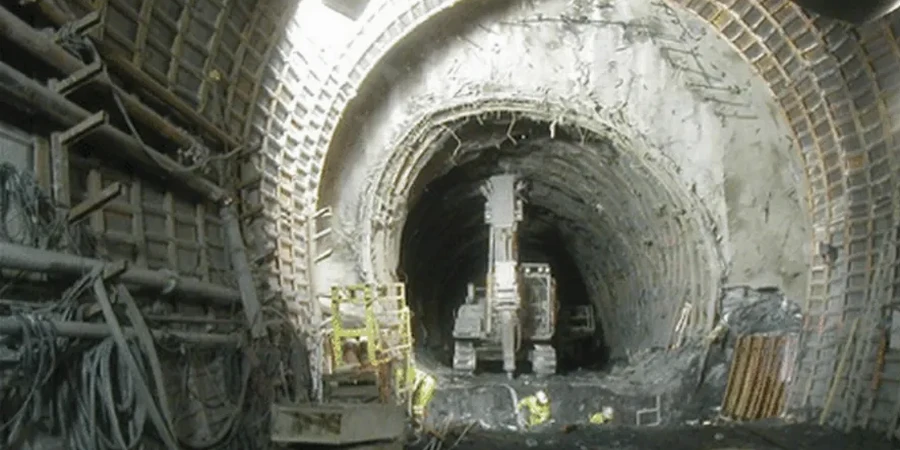
All underground excavation projects in Quebec must adhere to the province’s regulatory framework, notably the Code de sécurité pour les travaux de construction (S‑2.1, r.4) and the Loi sur la santé et la sécurité du travail. These regulations mandate that geotechnical engineers classify soil and rock types, determine safe slope angles or support pressures, and establish monitoring protocols before breaking ground. For deeper works, the Code canadien sur le calcul des ponts routiers (CAN/CSA‑S6) often applies to temporary retaining structures, while the National Building Code of Canada (NBC) governs permanent underground spaces like parking garages. In Granby, municipal permits require submission of signed and sealed geotechnical reports that demonstrate compliance with these standards. Additionally, environmental regulations under the Loi sur la qualité de l’environnement control groundwater discharge and dewatering activities, ensuring that excavation does not adversely affect nearby wells or ecosystems.
The types of projects that demand underground excavation expertise in Granby are diverse. Infrastructure renewals, such as the replacement of century‑old combined sewers, frequently require trenchless technologies or deep open cuts through mixed‑face conditions. Commercial and institutional developments—think hospital expansions or multilevel parking garages—depend on geotechnical excavation monitoring to track wall deflections, strut loads, and groundwater levels in real time. Industrial facilities, including those in Granby’s agro‑food sector, sometimes need underground storage caverns or process tunnels. Even residential projects on sloping terrain can involve basement excavations that interact with bedrock, demanding careful blasting or mechanical rock‑breaking techniques. Each scenario presents its own combination of depth, ground conditions, and adjacent infrastructure, underscoring the value of site‑specific engineering judgment.
Quick answers
What are the main geotechnical risks associated with underground excavations in Granby?
The primary risks include encountering sensitive Champlain Sea clays that can trigger retrogressive landslides, unexpected groundwater inflows from perched or artesian aquifers, and mixed‑face conditions where soft overburden meets hard sedimentary bedrock. Inadequate support can lead to wall collapses or excessive ground movements that damage adjacent utilities and structures. A thorough site investigation and continuous monitoring program are essential to identify these hazards early and implement appropriate mitigation measures.
Which Quebec regulations apply to deep excavation projects in Granby?
Deep excavations must comply with the Code de sécurité pour les travaux de construction (S‑2.1, r.4), which sets requirements for soil and rock classification, shoring, and worker safety. The Loi sur la santé et la sécurité du travail governs overall site safety, while the NBC and CSA‑S6 provide structural design criteria for temporary and permanent supports. Municipal permits also require sealed geotechnical reports demonstrating compliance with these provincial and national standards.
How is groundwater managed during underground excavations in the Granby area?
Groundwater control typically involves a combination of dewatering wells, sump pumping, and low‑permeability cut‑off walls depending on site conditions. In Granby’s glacial and sedimentary deposits, engineers must assess aquifer connectivity and artesian pressures to design effective systems. Discharge permits under the Loi sur la qualité de l’environnement are often required, and treatment may be needed to meet turbidity and contaminant limits before releasing water into municipal storm systems or watercourses.
What role does real‑time monitoring play in underground excavation projects?
Real‑time monitoring is critical for tracking wall deflections, strut loads, groundwater levels, and vibration during blasting or rock breaking. In Granby, where sensitive clays and urban constraints are common, automated inclinometers and piezometers feed data to engineering teams who can adjust support systems or construction sequences immediately if readings exceed predetermined thresholds. This proactive approach prevents failures, protects adjacent infrastructure, and ensures compliance with regulatory deformation limits.